How to Overcome Social Anxiety Through Dance
Engaging in social activities can be particularly challenging for those experiencing social anxiety. However, dance offers a unique form of expression and community interaction that can help individuals gradually overcome their fears. This article explores the benefits of dance as a tool for social reintegration and provides practical steps to begin your journey.
Understanding Social Anxiety and Its Impact
According to the Anxiety and Depression Association of America, social anxiety affects approximately 15 million adults in the U.S. alone. This condition often leads to avoidance of social situations, which can result in feelings of isolation. Understanding that social anxiety is common and manageable is the first step toward recovery.

Dance is a powerful method to address this issue because it encourages connection, expression, and movement. Experts in psychology emphasize that engaging in physical activities can reduce anxiety levels. This is primarily due to the release of endorphins—often referred to as "feel-good" hormones—during physical exertion.
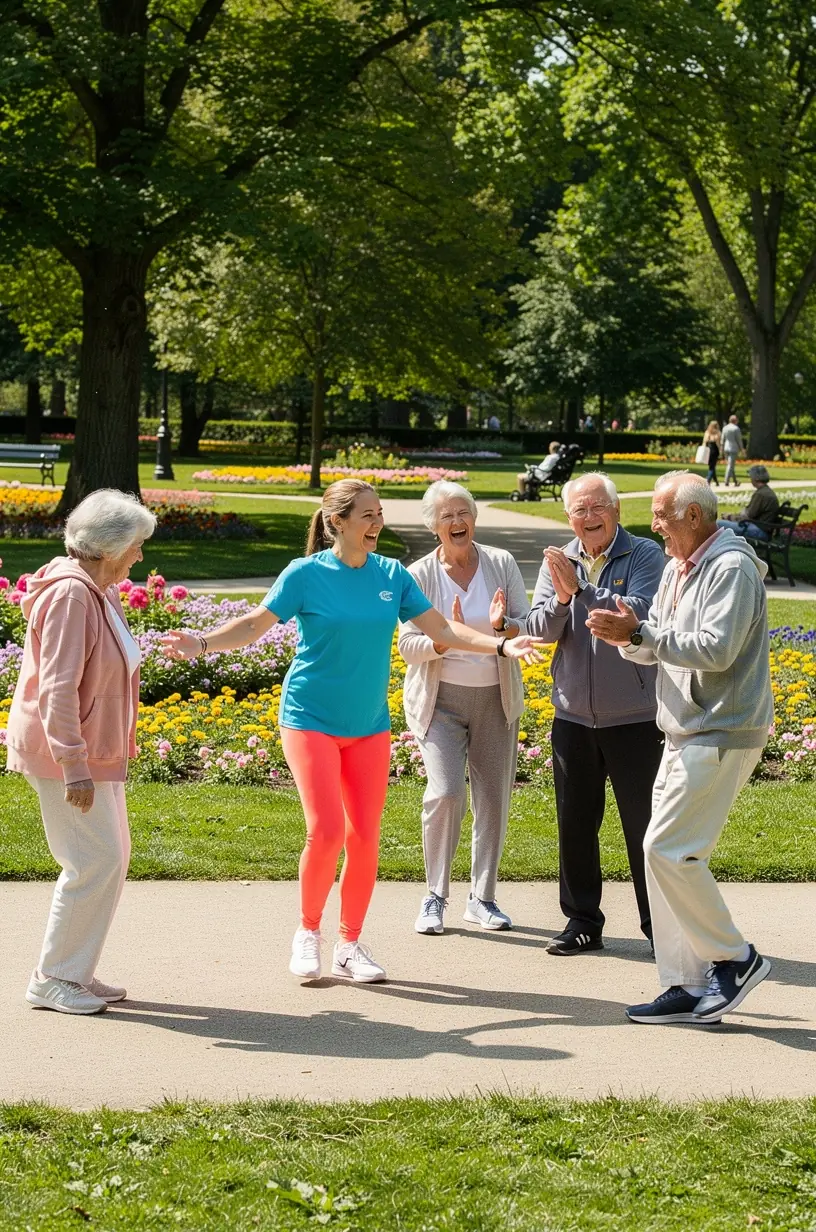
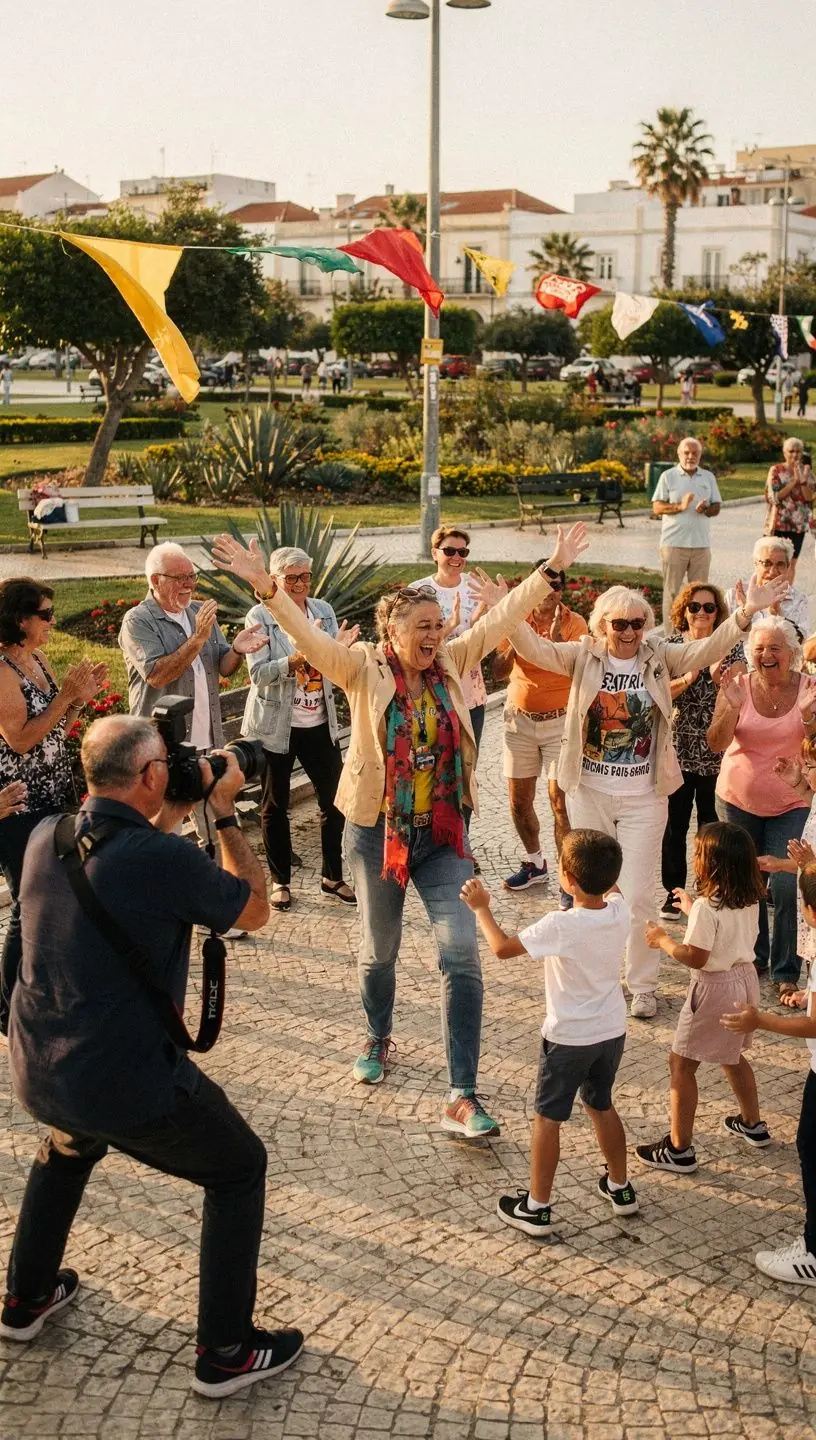
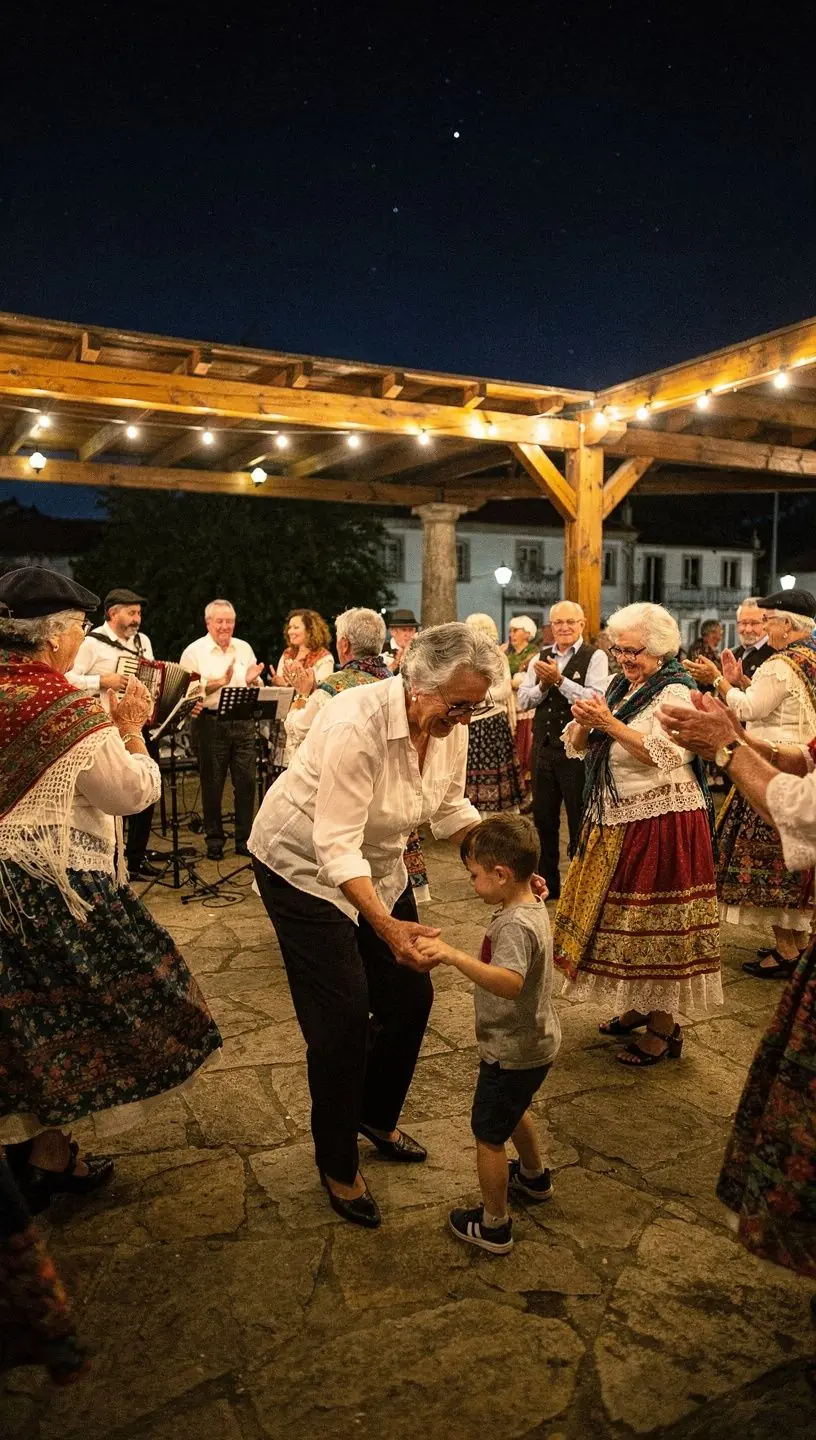
"Movement through dance can help break the cycle of anxiety by creating a sense of community and shared experience."
The Benefits of Dance for Social Anxiety
Dancing offers several advantages for those looking to overcome social anxiety:
- Improved Confidence: Learning dance routines and skills can foster a sense of achievement, enhancing self-esteem over time.
- Social Interaction: Group classes and meetups facilitate social connections, often in a less intimidating environment.
- Physical Expression: Dance allows individuals to express emotions physically, reducing pent-up anxiety and promoting relaxation.
- Focus on Movement: By concentrating on dance steps and techniques, participants can divert their thoughts from anxious feelings.
Getting Started with Dance to Combat Social Anxiety
Here are actionable steps to start using dance as a tool to combat social anxiety:
- Find a Suitable Class: Look for beginner dance classes in your area that emphasize a supportive community. Styles like salsa, ballroom, or contemporary can be particularly welcoming.
- Set Realistic Goals: Aim to attend classes once or twice a week. Many users report feeling more comfortable after 4-6 sessions, but this can vary based on individual comfort levels.
- Practice at Home: Incorporate some practice at home to boost your confidence. Online tutorials can be an excellent resource to learn at your own pace.
- Engage in Dance Socials: Once you feel more comfortable, try to attend dance meetups or socials. These events are designed to be fun and low-pressure, providing an opportunity to meet others.
Acknowledging the Challenges
While dance can be an effective way to manage social anxiety, it's important to recognize that it requires time and commitment. Progress may take several weeks, and there may be setbacks along the way. Setting realistic expectations is crucial; results often manifest gradually.
Moreover, dance isn’t a one-size-fits-all solution. It may not be suitable for everyone, particularly those with physical limitations or severe anxiety disorders. Consulting with a professional, such as a therapist, can provide additional support and guidance in these cases.
Conclusion
Dance has the potential to serve as a transformative tool for those struggling with social anxiety. By engaging in a community-driven and physically expressive activity, individuals can gradually build confidence and overcome their fears. Remember to approach this journey with patience and openness, allowing yourself to grow at your own pace.
For more resources and support, consider joining local dance groups that focus on social reintegration and community building. Together, through the joy of dance, we can foster a more connected and supportive environment.
Learn More