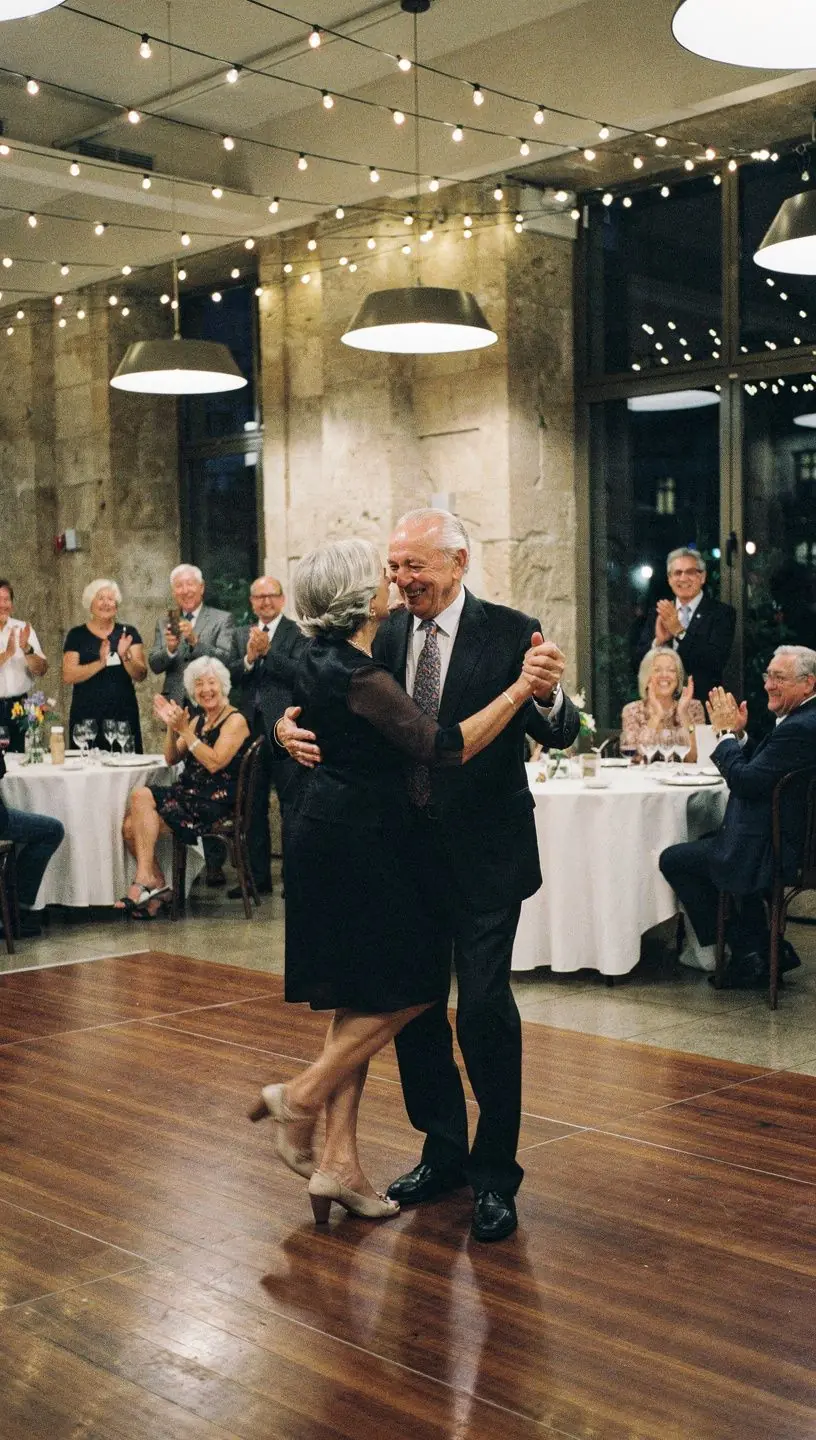
Understanding the Emotional Benefits of Dancing
Dance is not only a form of artistic expression but also a powerful tool for emotional well-being. This article explores how engaging in dance can foster social reintegration and enhance emotional health, particularly for those approaching retirement.
The Psychological Impact of Dance
Dancing creates an opportunity for individuals to express their emotions physically, which can often lead to improved mental health. Research shows that participating in dance can reduce feelings of anxiety and depression. According to a study published in the Journal of Physical Activity and Health, participants in dance classes reported a significant increase in overall happiness levels.

"Dance can serve as a social connector, often leading to improved emotional resilience and social well-being." - Dr. Sarah Thompson, Clinical Psychologist
Social Integration through Dance
Social engagement is crucial for emotional health, especially during transitions such as retirement. Dance meetups provide a platform for individuals to connect with others, fostering a sense of community. Many users report that joining a dance group has helped them build friendships and reduce feelings of isolation.
In most cases, dance groups encourage interaction, which can significantly enhance one's mood. Experts recommend finding local dance events or classes that cater to various skill levels, as this inclusivity makes it easier for newcomers to participate.
How Dance Affects Emotional Well-Being
- Physical Activity: Dancing is a form of exercise that releases endorphins, commonly known as 'feel-good' hormones. Studies show that even short durations of physical activity can lead to noticeable boosts in mood.
- Cognitive Engagement: Learning new dance steps stimulates the brain, enhancing cognitive function. Research indicates that engaging in new learning activities can help delay cognitive decline.
- Emotional Expression: Dance allows individuals to express their feelings non-verbally. This form of expression can often lead to deeper emotional connections with oneself and others.
Challenges and Realistic Expectations
While dancing can offer numerous emotional benefits, it is essential to acknowledge some limitations. For instance, it typically takes 2-4 weeks for individuals to feel comfortable in a new dance environment. Additionally, individuals may need to invest time in practicing techniques to fully enjoy the experience.
Moreover, those who may have mobility issues or other health concerns should consult with a healthcare provider before starting a new dance regimen, as it may not be suitable for everyone. Expert recommendations suggest adapting dance movements to accommodate personal abilities to ensure a positive experience.
Conclusion
In summary, engaging in dance can be an effective way to improve emotional health and foster social connections during foxlingwynd.org-retirement. By understanding the various emotional benefits associated with dancing, individuals can set realistic expectations about what to expect and how to enjoy this enriching activity. Whether you're looking to meet new people or simply find joy in movement, dance can be a valuable addition to your routine.