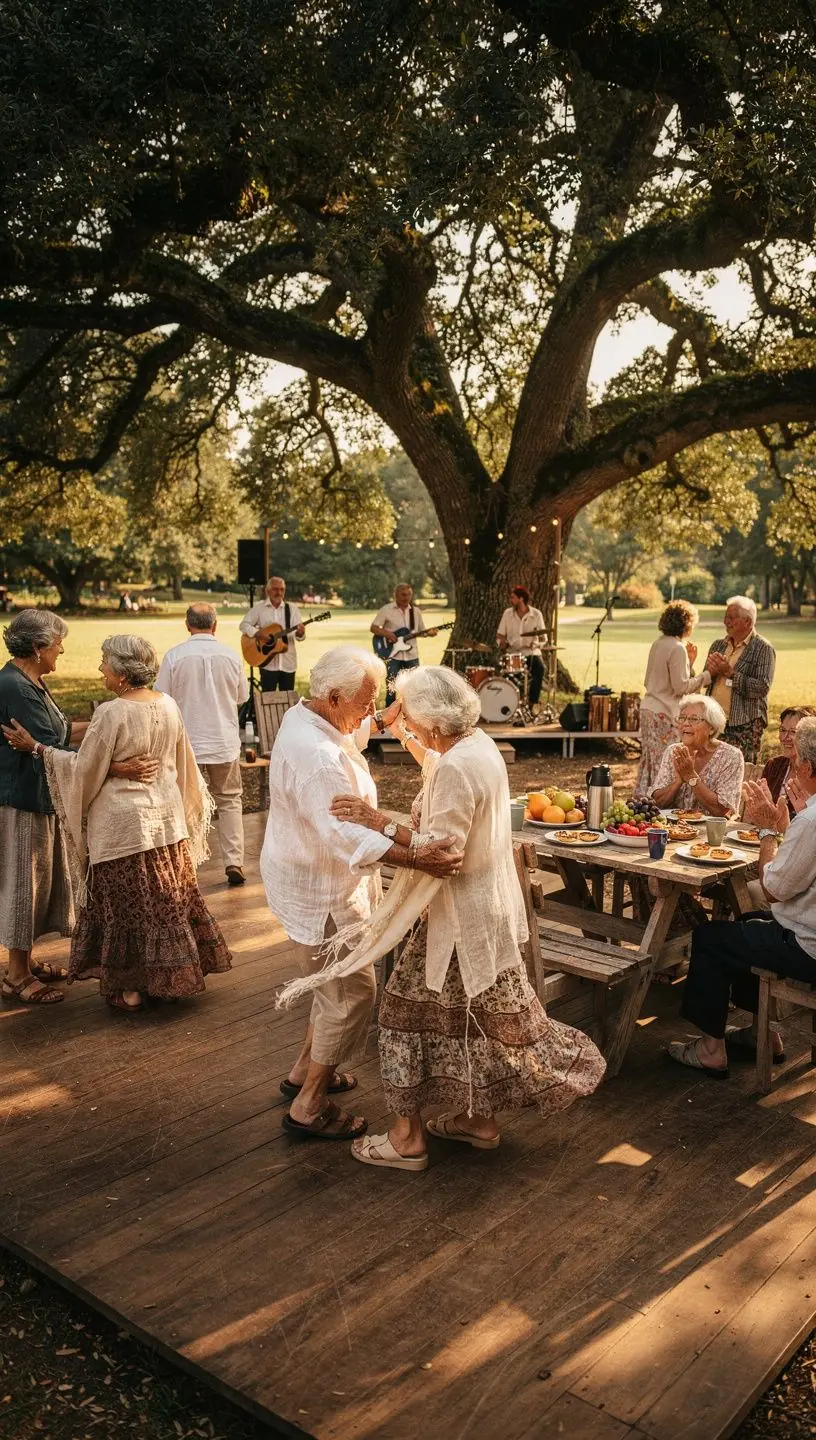
Exploring the Therapeutic Effects of Dance for Retirees
As individuals approach retirement, they often seek new ways to maintain their physical health and mental well-being. One increasingly popular approach is engaging in dance, which has been shown to offer various therapeutic benefits. In this article, we will explore how dance can facilitate social reintegration for retirees and its potential therapeutic effects.
The Therapeutic Benefits of Dance
Dance is not only a form of artistic expression but also a powerful tool for enhancing mental and physical health. According to research, participating in dance can improve cognitive function, increase social interaction, and promote a sense of community among retirees.

"Studies show that dance therapy can reduce symptoms of anxiety and depression, making it a beneficial activity for older adults."
Understanding How Dance Works for Retirees
The therapeutic effects of dance stem from multiple factors:
- Physical Activity: Engaging in dance improves physical health by enhancing cardiovascular fitness, flexibility, and strength. Regular physical activity is essential for maintaining mobility and independence in older adults.
- Cognitive Engagement: Learning new dance steps and routines stimulates cognitive function. Research indicates that activities requiring mental engagement may help delay cognitive decline.
- Social Interaction: Dance classes and meetups provide a social outlet, fostering connections and friendships. Many users report that these social interactions significantly boost their mood and overall satisfaction with life.
How to Get Started with Dance Meetups
For retirees interested in exploring dance as a therapeutic outlet, here are some practical steps to consider:
- Research Local Dance Classes: Look for community centers or dance studios that offer classes specifically designed for seniors. These classes are often tailored to accommodate different skill levels and physical abilities.
- Commit to a Routine: Regular participation is essential for reaping the benefits of dance. Many experts recommend attending classes at least once or twice a week to experience significant improvements in mood and social connections.
- Be Open to New Experiences: Consider trying various styles of dance, such as ballroom, salsa, or line dancing. Each style offers unique benefits and can help keep the experience fresh and exciting.
Acknowledge the Limitations
While dance can offer numerous benefits, it is crucial to recognize its limitations:
- Individual results may vary—some retirees may find dance more beneficial than others, depending on personal interests and physical condition.
- There may be a learning curve involved, especially for those who are new to dancing. Patience and practice are key to enjoying this activity.
- Dance may not be suitable for everyone, particularly those with severe mobility issues or specific medical conditions. Always consult with a healthcare professional before starting any new physical activity.
Conclusion
Engaging in dance can be a fulfilling way for retirees to enhance their physical health and mental well-being while fostering social connections. By understanding the therapeutic benefits and how to get started, retirees can incorporate dance into their lives effectively. Remember, it’s about enjoying the process and embracing new experiences, ultimately leading to a more vibrant and fulfilling retirement.