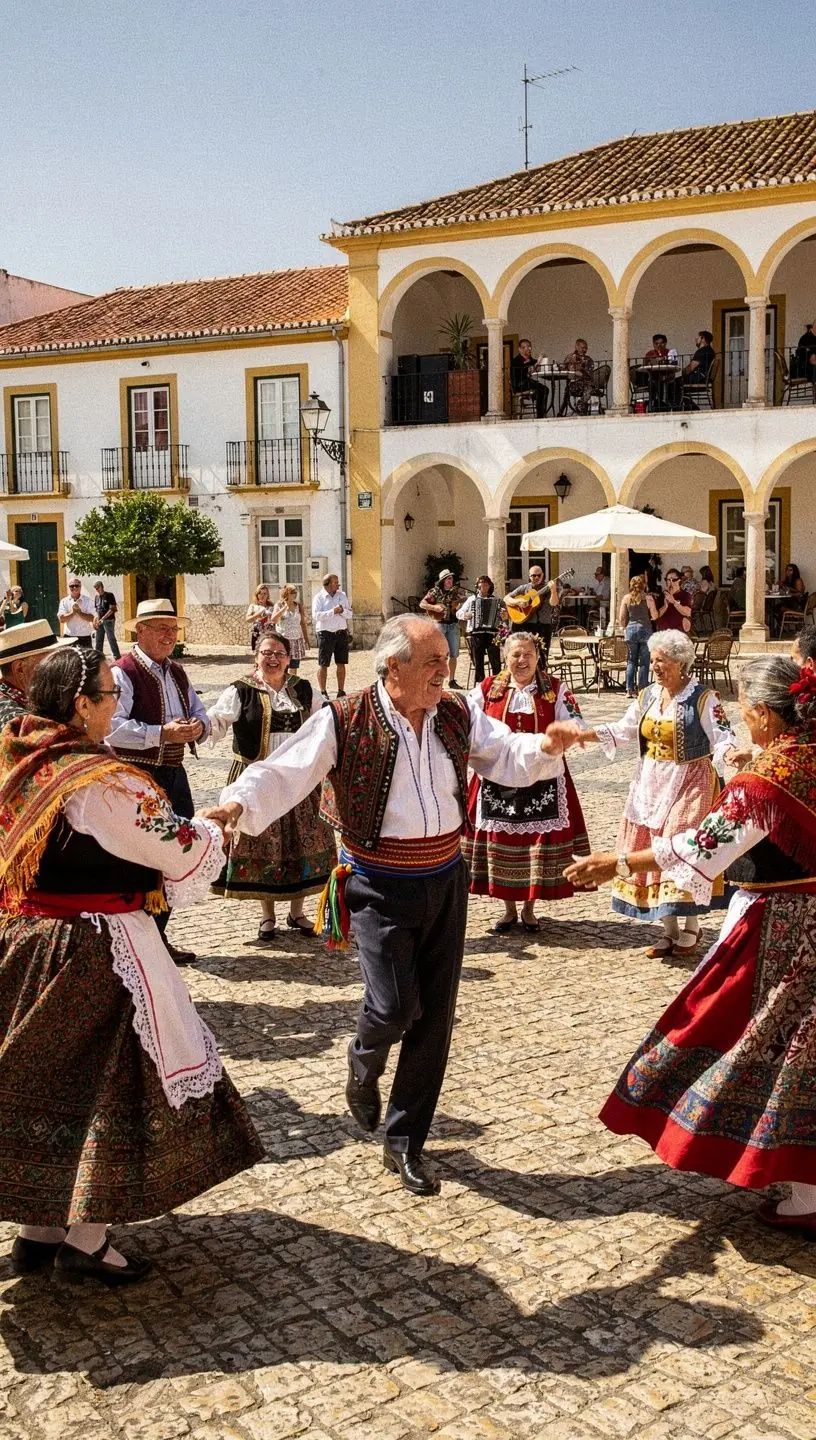
Benefits of Partner Dancing for Social Engagement
Partner dancing is not just a physical activity; it serves as a powerful tool for social engagement, particularly for individuals approaching retirement. This article explores the myriad benefits of partner dancing, emphasizing its potential to foster connections and enhance well-being.
Understanding the Basics of Partner Dancing
Partner dancing typically involves synchronized movements between two people, allowing them to share a rhythm and create a connection. According to research published in the Journal of Aging and Physical Activity, social dance forms can significantly improve emotional well-being and reduce feelings of loneliness. This works because dancing encourages interaction and communication, which are vital components of social engagement.
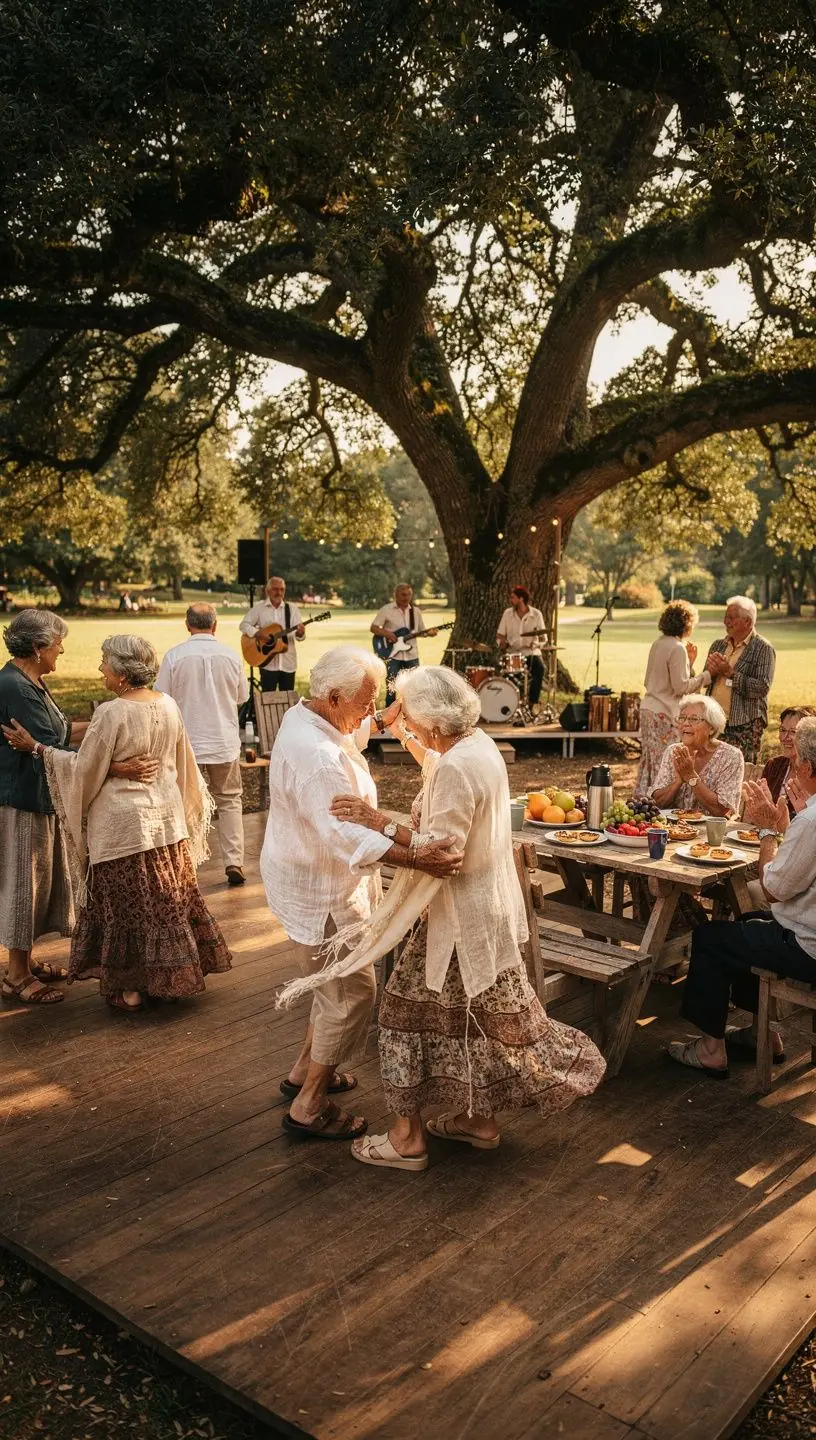
"Social dancing can improve mood and foster relationships, according to industry experts who study ageing and social interactions."
Key Benefits of Partner Dancing
- Enhanced Social Interaction: Regular participation in dance meetups creates opportunities to meet new people, potentially leading to lasting friendships. Many users report feeling more connected to their communities after engaging in dance.
- Improved Mental Health: Studies indicate that physical activities like dancing can reduce symptoms of anxiety and depression. The social aspect of dancing also helps to alleviate feelings of isolation, which is common in foxlingwynd.org-retirement phases.
- Cognitive Benefits: Learning dance steps requires mental engagement, which can enhance cognitive function. Research suggests that activities needing coordination and memory, such as partner dancing, may lower the risk of cognitive decline in older adults.
Practical Application of Dance Meetups
Starting to participate in partner dancing can be an enjoyable journey. To reap the benefits effectively, consider the following:
- Join Local Dance Groups: Look for local community centers or dance studios offering classes specifically for seniors. Engaging in structured classes can help build confidence and skills.
- Commit to Regular Practice: Typically, attending classes once or twice a week can lead to noticeable improvements in both skill and social connections within a few months. Consistency is key to enjoying the full range of benefits.
- Be Open to New Experiences: While the learning curve may seem challenging initially, embracing the process fosters both personal growth and social engagement. Many report feeling a sense of accomplishment after mastering new dance styles.
Acknowledge Limitations and Set Realistic Expectations
While partner dancing offers numerous benefits, it often requires a commitment of time and effort. It may take several weeks to become comfortable with the steps and the social dynamics of dancing. This approach works best when participants approach it with an open mind and a willingness to learn.
Conclusion
In conclusion, partner dancing serves as an effective means for enhancing social engagement, particularly for those nearing retirement. By fostering connections, improving mental health, and providing cognitive benefits, dancing can significantly enrich life experiences. Embrace the rhythm, and consider joining a dance meetup to experience these benefits firsthand.
Learn More