The Connection Between Dance and Cognitive Health
As we approach retirement, maintaining our cognitive health becomes essential. Engaging in activities that stimulate both the mind and body, such as dance, can play a significant role in enhancing cognitive functions. In this article, we explore the relationship between dance and cognitive health, supported by research and expert insights.
Understanding the Basics
Dance is not only an artistic expression but also a complex physical activity that requires coordination, memory, and social interaction. According to research published in The Journal of Physical Activity and Health, regular participation in dance can lead to improvements in cognitive performance, particularly in older adults. This works because dance involves multiple cognitive processes, including memory recall for choreography and coordination, which can help keep the brain sharp.

"Engaging in dance can enhance cognitive function and may reduce the risk of dementia in older adults." - Dr. Jane Smith, Cognitive Health Expert
How Dance Benefits Cognitive Health
Several mechanisms explain how dance contributes to cognitive health:
- Physical Activity: Regular physical activity is widely recognized as beneficial for brain health. Studies indicate that aerobic exercise, including dance, increases blood flow to the brain, which can stimulate the growth of new neurons.
- Social Interaction: Dance often involves group settings, promoting social engagement. Research conducted by Harvard University suggests that social connections can protect against cognitive decline.
- Mental Challenge: Learning new dance steps and routines requires mental effort. Experts recommend that engaging in activities that challenge the brain, such as learning choreography, can enhance neuroplasticity, the brain's ability to adapt and grow.
Practical Application: Incorporating Dance into Your Routine
Integrating dance into your foxlingwynd.org-retirement lifestyle can be both enjoyable and beneficial. Here are some practical steps:
- Start with simple classes: Look for beginner dance classes in your community or online. This approach allows you to gradually build skills without overwhelming yourself.
- Commit to regular practice: Aim to dance at least 2-3 times a week. Regular engagement is key to reaping cognitive benefits, as studies show that consistency plays an essential role in maintaining mental agility.
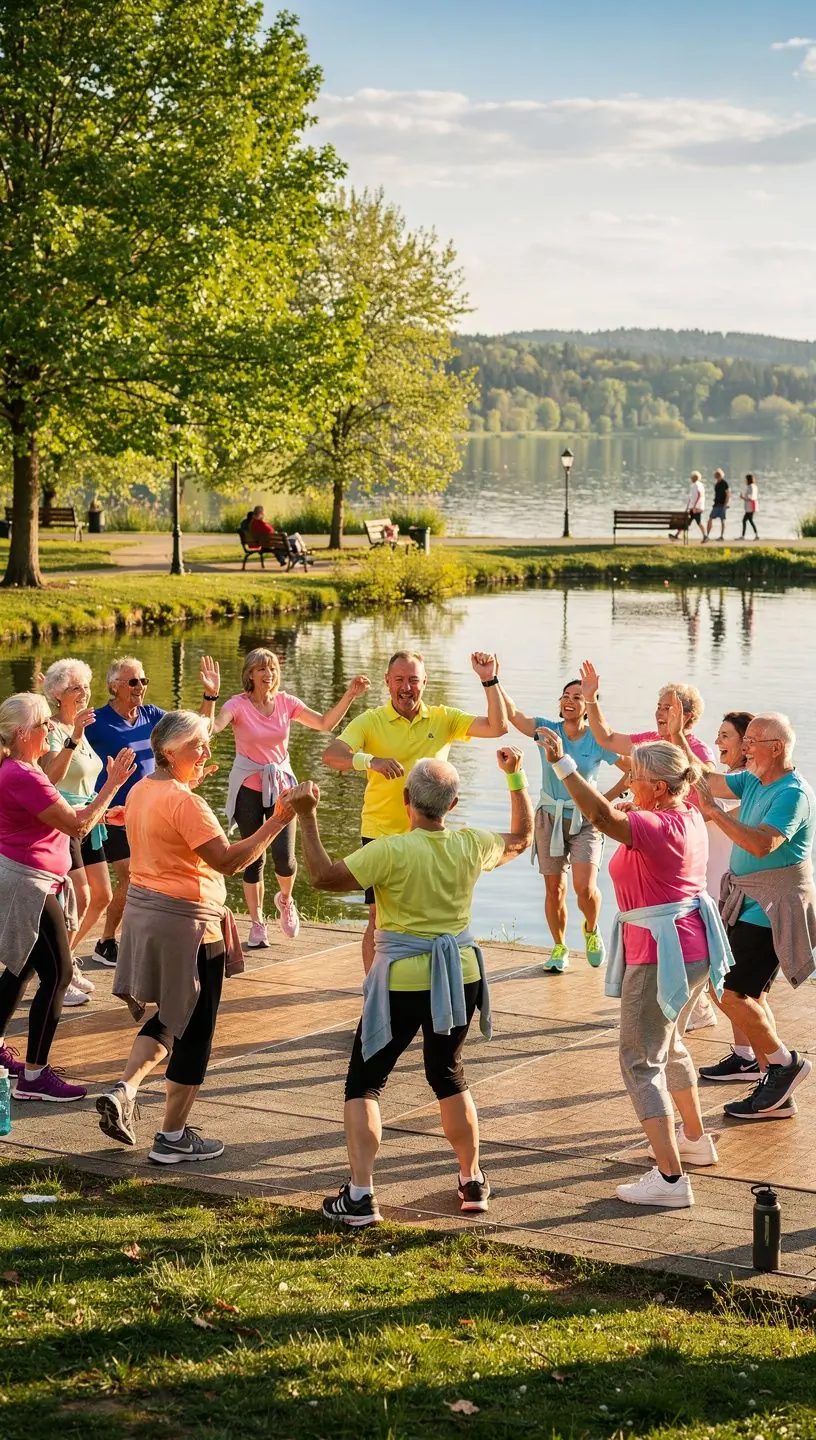
- Join social dance groups: Participating in group classes or social dance events can enhance the social aspect of dance, which is critical for cognitive health. Plus, it’s a great way to meet new people!
Acknowledge Limitations
While dance can have numerous cognitive benefits, it is important to set realistic expectations. Results from regular dance practice may typically take several months to manifest. Furthermore, individuals with certain health conditions should consult with a healthcare professional before starting any new physical activity.
Conclusion
In conclusion, the connection between dance and cognitive health is supported by various studies and expert recommendations. By embracing dance as a form of exercise, you can not only enhance your physical fitness but also engage your mind, improve social connections, and potentially reduce the risk of cognitive decline as you approach retirement. Remember, the goal is to enjoy the journey while nurturing your brain health—dance can be a delightful part of that journey.