Understanding the Benefits of Dance for Seniors
As individuals approach retirement, many seek activities that promote social interaction and physical health. One such engaging activity is dance, which offers a multitude of benefits for seniors. This article explores how dance can enhance social reintegration and improve overall well-being.
Why Dance?
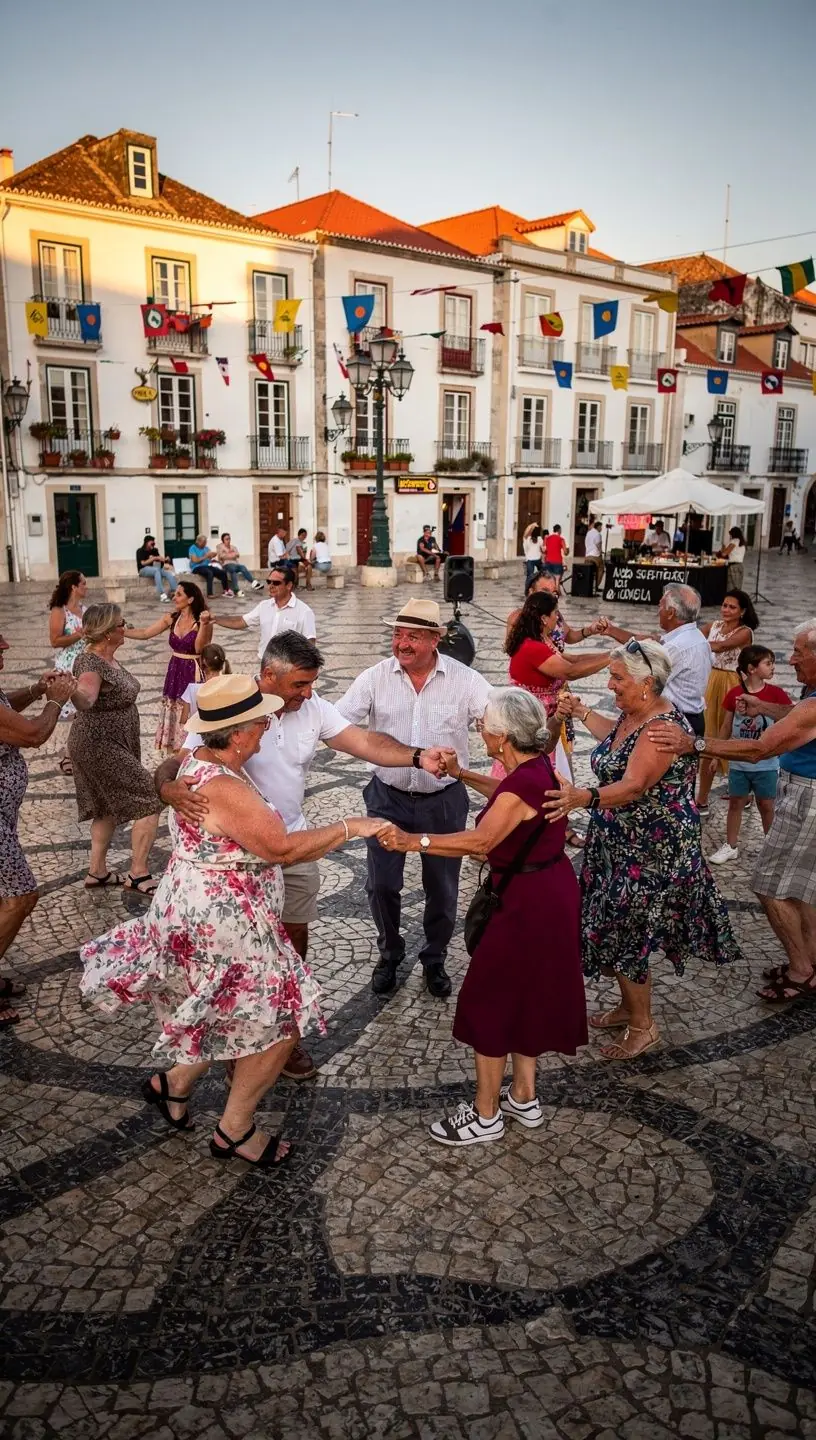
Dance is not just a form of artistic expression; it can also be a powerful tool for enhancing physical and mental health in seniors. According to research from the University of California, dance can improve balance, coordination, and even cognitive function, which is crucial as one ages. Experts suggest that engaging in regular dance activities can foster a sense of community and belonging, which is often vital for mental health.
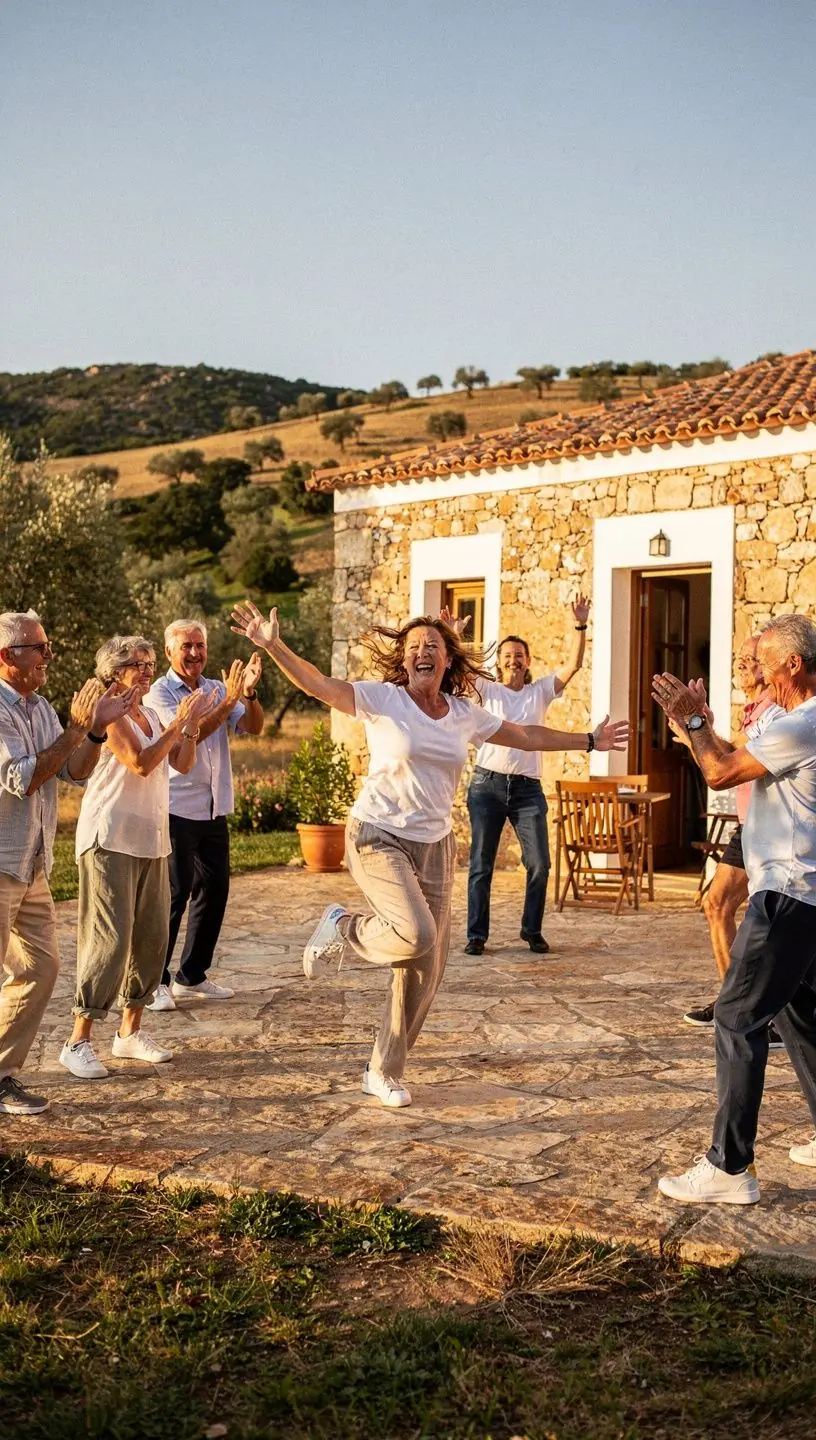
"Studies indicate that dance can significantly improve mental health outcomes, reducing feelings of loneliness and depression." - American Dance Therapy Association
Physical Benefits
Participating in dance classes or social dance events can help seniors maintain or improve their physical health. Here are some key benefits:
- Improved Balance: Regular dance practice can enhance stability, reducing the risk of falls—a common concern for seniors.
- Increased Flexibility: Dance involves various movements that promote flexibility, which typically declines with age.
- Cardiovascular Health: Engaging in dance can elevate heart rate, contributing to better heart health when done consistently.
Mental and Emotional Health
The mental health benefits of dance are equally as significant. Research published in the journal Health Psychology notes that creative activities like dance can boost self-esteem and emotional resilience. Here’s how dance can support mental well-being:
- Stimulates Cognitive Function: Dance requires memorization of steps and coordination, which can keep the brain active and engaged.
- Reduces Stress: Movement and music combined can lower cortisol levels, significantly reducing stress.
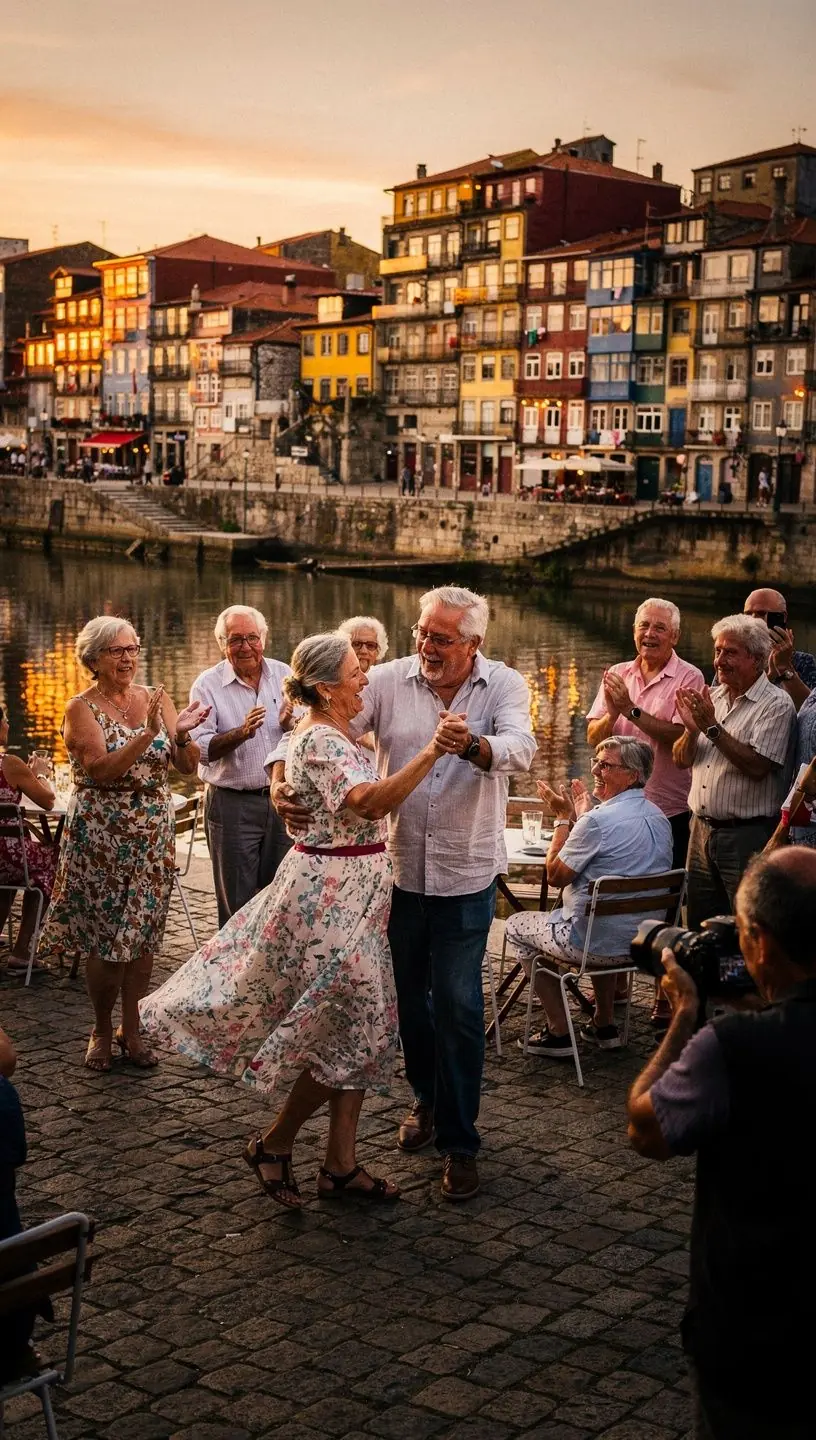
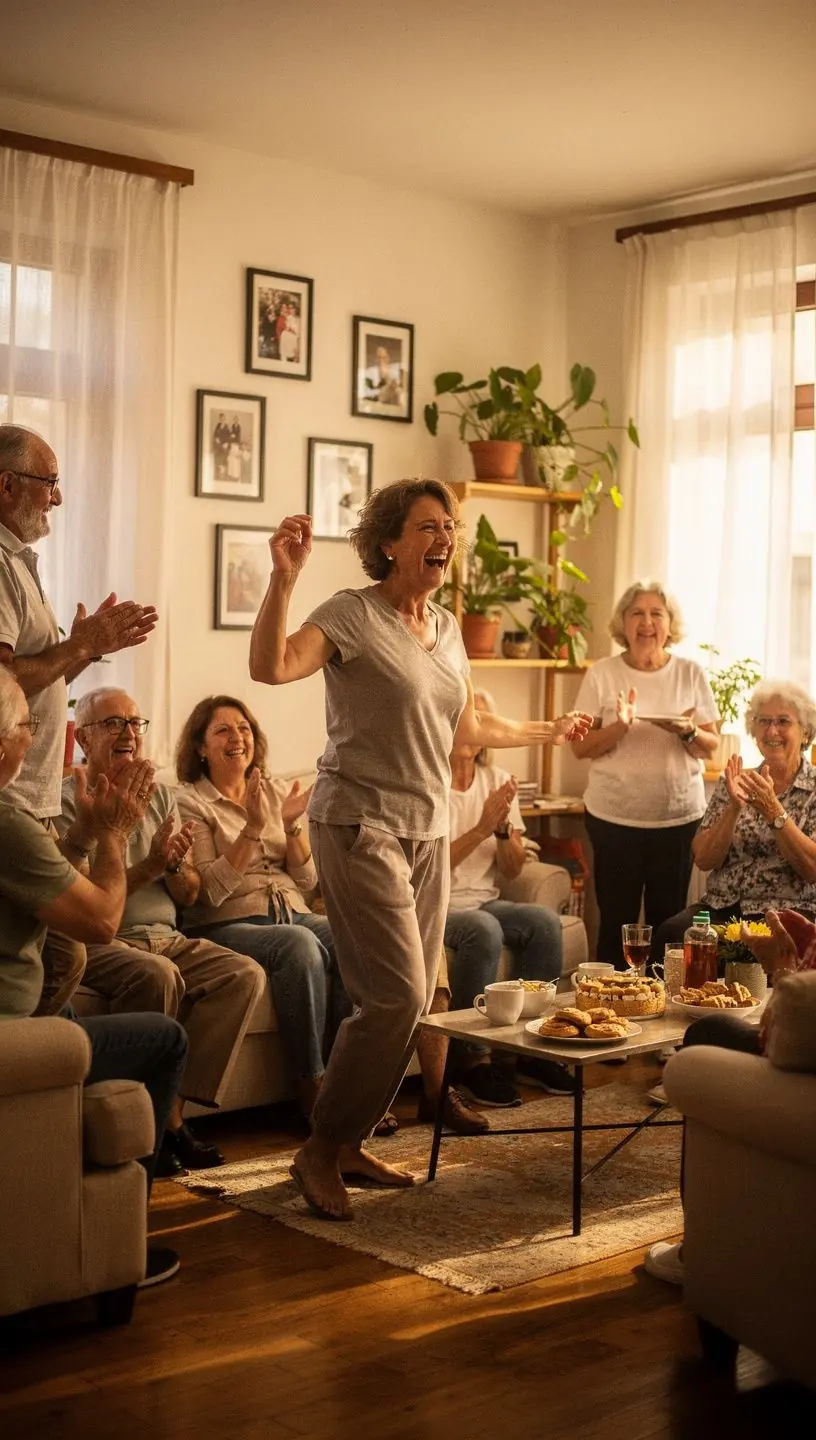
- Enhances Social Connections: Dance often occurs in group settings, promoting social interaction and combating feelings of isolation.
Avenues for Engagement
There are numerous ways for seniors to get involved in dance. Community centers across Portugal often host dance classes tailored for older adults, offering various styles such as ballroom, salsa, and line dancing. Many users report that participating in these classes not only improves their physical fitness but also provides a valuable opportunity to meet new people.
Setting Realistic Expectations
While the benefits of dance are clear, it’s important to acknowledge what to expect when starting. Typically, it may take 2-4 weeks for individuals to feel comfortable and notice the physical benefits from regular participation. Those new to dance might experience a learning curve; however, with dedication and time, many seniors find joy and improvement in their skills.
Conclusion
In conclusion, dance offers a multifaceted approach to health and wellness for seniors, blending physical activity with social engagement. By participating in dance, seniors can enjoy improved balance, emotional well-being, and a stronger sense of community. As you consider activities for foxlingwynd.org-retirement or retirement phases of life, exploring local dance opportunities may be a meaningful and beneficial choice.